What Is Spirulina? A Complete Guide for Beginners
From its blue-green colour to its impressive nutritional profile, discover what Spirulina is, how it is grown, how it is processed, and how it can fit into a balanced diet.
By Symbicroft Kitchen
7 min read
On this page
If you’ve ever come across a bright green smoothie, a nutrition supplement, or a health food containing Spirulina, you may have wondered what exactly it is.
Is it an algae? A plant? A supplement?
Spirulina is a blue-green cyanobacterium that has been studied for its rich nutritional composition and is now cultivated around the world as a food ingredient and dietary supplement.
But there’s more to Spirulina than its striking colour. Let’s take a closer look at what it is, how it is produced, what it contains, and how people use it.
What exactly is Spirulina?
Spirulina is a type of cyanobacterium, commonly referred to as a blue-green algae because of its appearance and aquatic growth.
The name “Spirulina” is commonly used for products derived from cyanobacteria in the genus Arthrospira, particularly Arthrospira platensis and Arthrospira maxima.
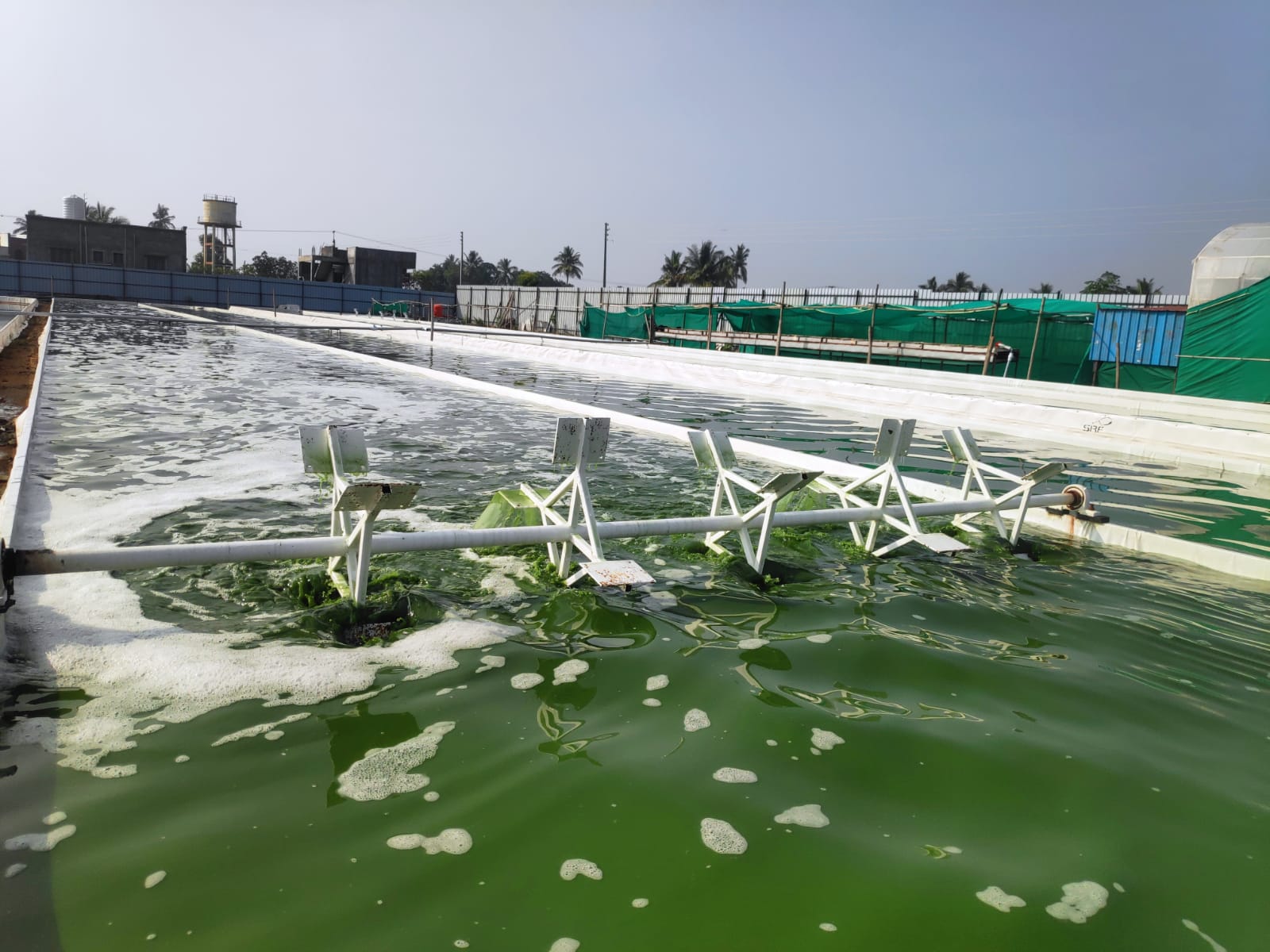
Unlike conventional land plants, Spirulina doesn’t grow in soil. It is cultivated in water under controlled conditions where factors such as light, temperature, water chemistry, and nutrients can be managed.
Its distinctive blue-green colour comes largely from natural pigments such as phycocyanin and chlorophyll.
In simple terms: Spirulina is a nutrient-dense cyanobacterium that is cultivated in water and processed into forms such as powder, tablets, capsules, and food ingredients.
Why is Spirulina blue-green?
The colour of Spirulina comes from its natural pigments.
One of the most notable is phycocyanin, a blue pigment-protein complex. Spirulina also contains chlorophyll and other naturally occurring pigments.
These compounds don’t just give Spirulina its characteristic colour — they are also part of what makes Spirulina scientifically interesting.
The exact colour and appearance of a Spirulina product can vary depending on factors such as cultivation, processing, concentration, and storage.
What nutrients does Spirulina contain?
One reason Spirulina has attracted attention as a food ingredient is its nutritional composition.
Dried Spirulina can contain a substantial amount of protein by weight, along with other nutrients and bioactive compounds.
Its composition can include:
- Protein
- Iron
- Carotenoids
- Phycocyanin
- Chlorophyll
- Certain vitamins and minerals
- Essential and non-essential amino acids
- Other naturally occurring bioactive compounds
However, the exact nutritional values depend on the particular Spirulina product and its processing method.
That’s why it’s important to look at the nutrition label of the specific product rather than assuming that every Spirulina powder has exactly the same composition.
Is Spirulina a complete protein?
Spirulina is often described as a source of complete protein because its protein contains all nine essential amino acids.
However, the amount of each amino acid matters as well as whether it is present.
For this reason, Spirulina can be considered a useful protein-containing food ingredient, but it shouldn’t be treated as a replacement for a varied diet containing other protein sources.
For vegetarians and people looking to diversify their protein sources, Spirulina can be one small addition alongside foods such as:
- Pulses and dals
- Soy and soy products
- Milk and dairy products
- Paneer
- Nuts and seeds
- Whole grains
How is Spirulina cultivated?
Spirulina is generally cultivated in water rather than soil.
Commercial production commonly uses open raceway ponds or other controlled cultivation systems.
In an open raceway pond, water and nutrients circulate continuously while paddle wheels help keep the culture moving.
The Spirulina grows using light and nutrients available in the cultivation medium.
A simplified production cycle looks like this:
Cultivation → Harvesting → Separation → Washing → Drying → Processing → Packaging
Each stage matters because processing can influence the final product’s colour, texture, nutritional composition, and quality.
For manufacturers, maintaining consistent cultivation and processing conditions is therefore an important part of producing a reliable Spirulina ingredient.
How does Spirulina become powder?
Once the Spirulina culture reaches the desired concentration, it is harvested from the cultivation system.
The harvested biomass then goes through several processing stages.
A simplified process can include:
1. Harvesting
The Spirulina biomass is separated from the cultivation water.
2. Washing
The harvested material can be washed to remove unwanted residues from the cultivation medium.
3. Concentration
The biomass is concentrated before drying.
4. Drying
The concentrated Spirulina is dried using an appropriate drying process.
5. Milling and processing
The dried material can then be processed into a fine powder suitable for food or supplement applications.
6. Packaging
The finished powder is packaged under appropriate conditions to protect its quality during storage and distribution.
The exact manufacturing process varies between producers.
What does Spirulina taste like?
Let’s be honest: Spirulina has a distinctive taste.
It is often described as earthy, marine, or slightly savoury.
That’s one reason some people prefer using Spirulina in foods where other ingredients can balance its flavour.
For example, Spirulina powder can be incorporated into:
- Smoothies
- Salad dressings
- Dips
- Energy balls
- Yogurt-based preparations
- Homemade snacks
You don’t necessarily need to consume it as a plain spoonful of green powder.
How is Spirulina commonly consumed?
Spirulina is available in several forms.
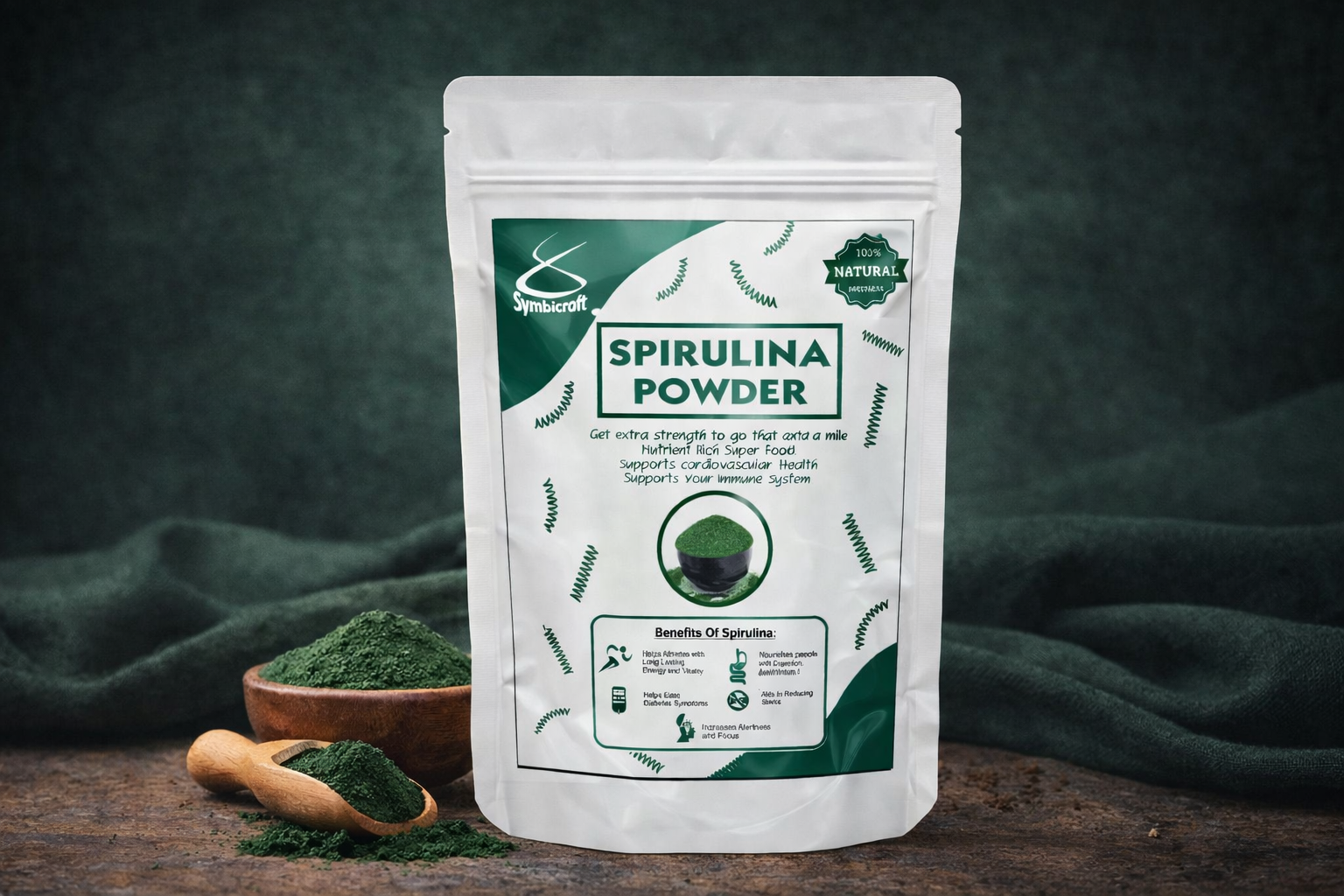
Spirulina powder
Powder is one of the most versatile forms because it can be mixed into drinks or incorporated into food.
Tablets and capsules
These offer a convenient option for people who prefer a measured serving without the distinctive taste of the powder.
Spirulina-based foods
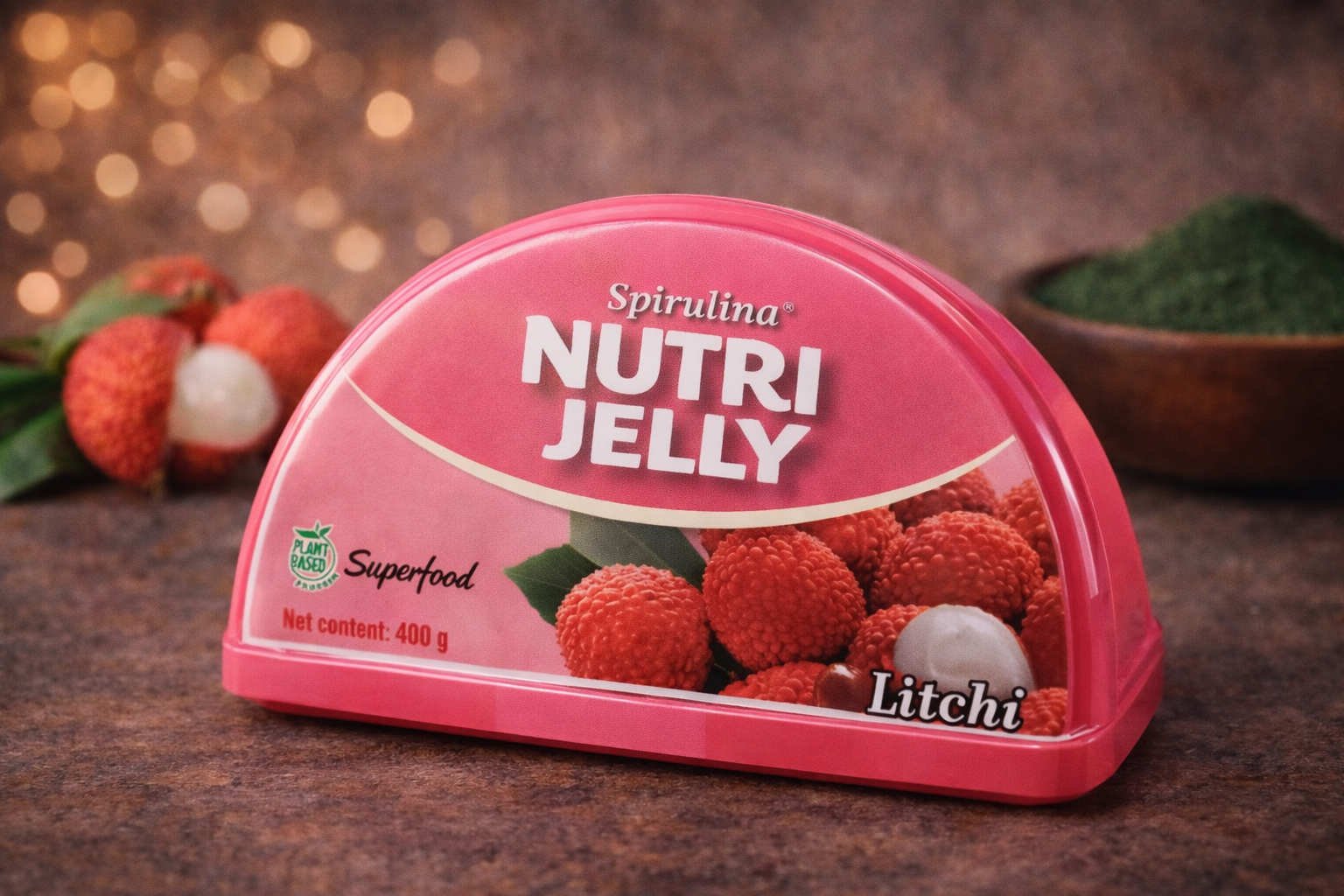
Spirulina can also be incorporated into foods such as snacks, cookies, khakhra, and other functional food products.
This approach can make it easier for people who don’t enjoy the taste of plain Spirulina powder.
How much Spirulina should you take?
There isn’t one universal serving size that applies to everyone.
The appropriate amount depends on the product, its concentration, the intended use, and the individual’s dietary circumstances.
Instead of assuming that a particular amount is right for everyone, follow the serving instructions provided on the product label.
If you’re considering Spirulina as a dietary supplement, particularly if you have a medical condition, are pregnant or breastfeeding, or take medications, speak with a qualified healthcare professional before using it.
What should you look for when buying Spirulina?
Not all Spirulina products are identical.
When choosing a product, look for clear information about:
- Ingredients
- Nutritional information
- Serving size
- Batch or lot information
- Manufacturing details
- Storage instructions
- Expiry or best-before date
- Relevant quality or food-safety certifications
For powdered Spirulina, also pay attention to the packaging. Proper packaging and storage can help protect the product from moisture, heat, light, and contamination.
A transparent manufacturer should be able to provide clear information about its product and manufacturing practices.
Spirulina as part of a balanced diet
Spirulina can be an interesting addition to a balanced diet, but it shouldn’t be viewed as a substitute for a varied range of foods.
A healthy diet still needs a combination of:
Protein + carbohydrates + healthy fats + fruits + vegetables + adequate fluids + dietary variety
Think of Spirulina as one ingredient in the bigger picture, rather than a single food that provides everything your body needs.
Frequently Asked Questions
Is Spirulina an algae?
Spirulina is technically a cyanobacterium, although it is commonly called a blue-green algae because of its appearance and aquatic lifestyle.
Is Spirulina vegetarian?
Spirulina itself is generally considered suitable for vegetarian diets. However, people following strict dietary requirements should always check the complete ingredient list and manufacturing information of the particular product.
Does Spirulina contain protein?
Yes. Dried Spirulina can contain a substantial amount of protein. The exact amount varies between products, so check the nutrition label for the specific product.
Can Spirulina be added to smoothies?
Yes. Spirulina powder can be mixed into smoothies along with ingredients such as fruit, milk, plant-based beverages, or yogurt.
Does Spirulina taste like seaweed?
Spirulina has a distinctive earthy or marine flavour. Its taste can vary depending on the product and processing method.
Is Spirulina a replacement for a balanced diet?
No. Spirulina should be considered an addition to a varied diet rather than a replacement for a balanced diet.
The takeaway
Spirulina is a blue-green cyanobacterium that has become popular as a food ingredient because of its protein content, natural pigments, minerals, and other bioactive compounds.
From cultivation in water to the finished powder on your kitchen shelf, producing quality Spirulina involves multiple stages of cultivation, harvesting, processing, and quality control.
And perhaps the most important thing to remember is this:
Spirulina doesn’t have to replace the foods you already enjoy. It can simply become another ingredient in a varied and balanced diet.
At Symbicroft, we explore ways to make Spirulina easier to incorporate into everyday food — from pure Spirulina powder to Spirulina-enriched snacks and functional foods.
Explore Symbicroft’s Spirulina products →